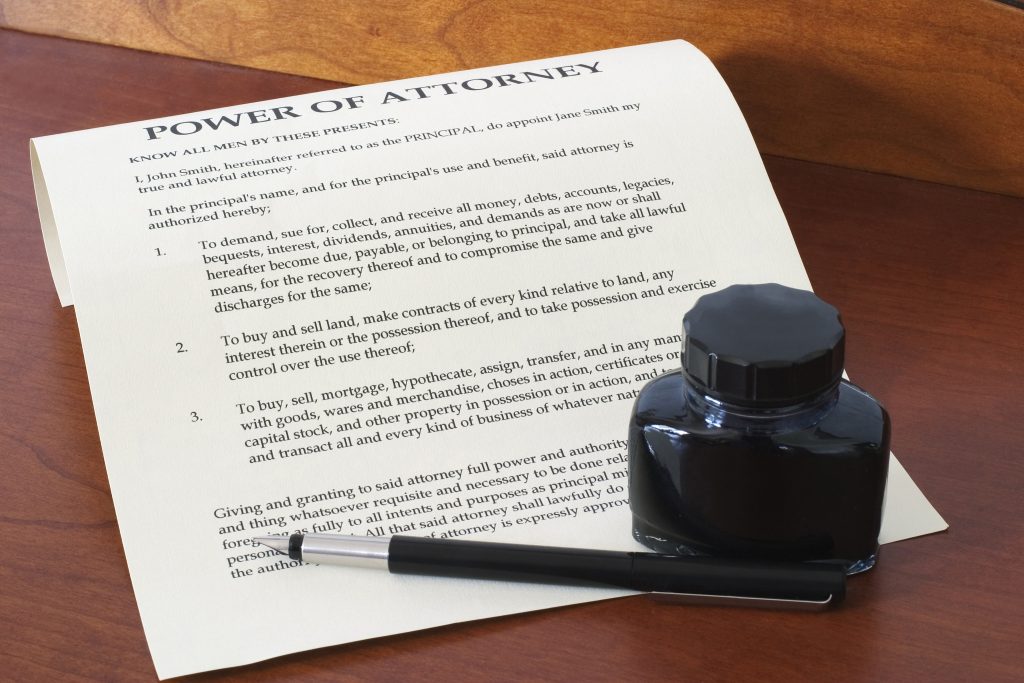
A Power of Attorney (POA) is a common addition to the average estate plan that can allow you to grant someone the authority to act on your behalf in financial, medical, or legal matters. A POA can provide you with peace of mind knowing that your affairs will be handled even if you become incapacitated; however, when mishandled or abused, a Power of Attorney can cause significant harm. To help you better understand, the Los Angeles attorneys at Schomer Estate & Wealth Advisors explain what can happen when a Power of Attorney goes wrong.
Selecting the Wrong Agent
One of the most common ways a POA can go wrong is by appointing the wrong “Agent,” the person to whom you grant legal authority within the POA document. The person you choose must be trustworthy, responsible, and capable of managing the duties outlined in the POA. Unfortunately, some people select an agent based on family ties or proximity rather than taking the time to think about whether that individual is a good fit for the position. An untrustworthy agent may misuse the authority granted to them, making financial decisions that benefit themselves rather than you. Even a well-meaning agent may lack the knowledge or organizational skills needed to manage your affairs effectively, leading to mistakes that can have long-term consequences.
Lack of Oversight
A general POA grants broad authority to the Agent, with few built-in mechanisms for oversight which can create opportunities for abuse. For example, an agent with access to your financial accounts might siphon funds for personal use without your knowledge. To mitigate this risk, you can include provisions in the POA requiring periodic accountings or appointing Co-Agents who must act jointly. Without these safeguards, you rely entirely on the Agent’s integrity, which can be a gamble.
Ambiguity in the Power of Attorney Document
If the POA document lacks clarity about the Agent’s powers or the scope of their authority, disagreements may arise among family members, financial institutions, or medical providers, causing confusion and conflict. For instance, if the POA does not explicitly grant authority to make certain types of financial transactions or healthcare decisions, the Agent may face resistance when trying to act on your behalf which can cause delays, legal disputes, or other unintended outcomes.
Fraudulent Use of a POA
Unscrupulous individuals might pressure or deceive someone into signing a POA, giving the agent control over their assets and decisions. Sadly, elderly individuals are particularly vulnerable to this form of financial exploitation. Once the fraudulent Agent gains control, they can deplete bank accounts, sell property, or make decisions contrary to the Principal’s wishes. Detecting and addressing fraud often requires costly legal action, and by the time the abuse is uncovered, the damage may be irreparable.
Unintended Consequences of a Durable POA
A Durable Power of Attorney remains in effect even if you become incapacitated, making a POA a popular incapacity planning tool; however, that same feature can lead to problems if the Agent acts contrary to your best interests. For example, if you regain capacity but the agent continues making decisions without consulting you, conflicts can arise. To prevent such issues, it is essential to include provisions for terminating or limiting the agent’s authority in the event of recovery.
Outdated or Revoked POAs
An outdated or improperly revoked POA can create confusion. For instance, if you create a new POA but fail to revoke an earlier one, multiple Agents might attempt to act on your behalf, leading to conflicts. Similarly, some institutions may refuse to honor an older POA, viewing it as potentially invalid. While the law usually requires a third party to honor an Agent’s authority under a POA without regard to the age of the document, an older POA can still lead to concerns. To avoid these issues, regularly review your POA and revoke any outdated versions in writing, ensuring the revocation is communicated to all relevant parties.
Legal and Financial Liability
An Agent who misunderstands their role or fails to act in good faith can inadvertently cause legal or financial harm. For example, if an agent fails to pay taxes on your behalf, you could face penalties or legal action. Additionally, an Agent who engages in improper financial transactions might expose both of you to liability.
Can We Help You Draft a California Power of Attorney?
For more information, please join us for an upcoming FREE seminar. If you are ready to add a Power of Attorney to your California estate plan, contact the experienced Los Angeles estate planning attorneys at Schomer Estate & Wealth Advisors by calling (310) 337-7696 to schedule an appointment.

- Pizza in the Attic: What Legacy Planning Actually Looks Like - August 23, 2026
- Can You Recommend a Good Probate Attorney in Los Angeles? - August 21, 2026
- The Estate Plan You Think You Have - August 20, 2026