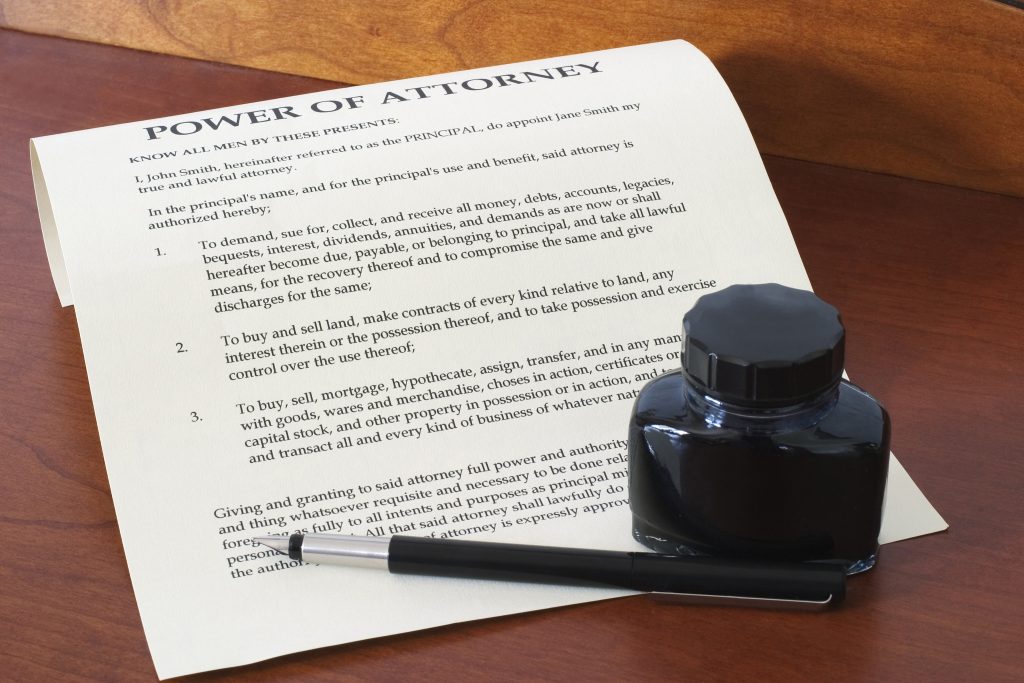
A Power of Attorney (POA) is one of the most effective and potentially powerful estate planning tools available. It allows you to authorize someone you trust to handle important matters on your behalf. In California, a validly executed POA can provide an Agent with the legal authority to manage your finances, oversee your property, or make medical decisions if you are unable to do so yourself. A POA can help avoid the need for court intervention by granting authority in advance. When used wisely, it promotes peace of mind and efficient handling of your affairs. Nevertheless, mistakes during the creation or execution of a POA can lead to confusion, disputes, and even financial harm. To help ensure that your POA works as intended, the Los Angeles attorneys at Schomer Estate & Wealth Advisors discuss frequent mistakes people make with a California Power of Attorney and how to avoid them.
Appointing the Wrong Agent
Selecting the wrong person to act as your Agent is perhaps the most damaging mistake. While many individuals name a relative or close friend, the ideal Agent is someone who possesses good judgment, attention to detail, and a clear understanding of their fiduciary duties. Trustworthiness is crucial, especially if the Agent will have access to significant assets or sensitive information. If you choose someone who lacks experience or has financial problems of their own, the risks of mismanagement or self-dealing increase significantly. Always assess the person’s capabilities and willingness to take on the responsibility before naming them in your POA.
Failing to Terminate Durability
The concept of a Durable Power of Attorney is important in California, as it means the document remains valid even if you become mentally or physically incapacitated. This type of POA can be a vital part of your estate plan, but it needs to be drafted with care. Problems can arise if the POA does not clearly indicate when the Agent’s authority becomes active and when it ends. For instance, if you regain the ability to manage your own affairs after a medical emergency, your Agent must understand that their authority may no longer apply. Some people use what is known as a “springing” POA, which only takes effect upon confirmation from a physician or another specific triggering event.
Lack of Oversight
Many POAs grant broad powers to the Agent but include little or no oversight. Without built-in safeguards, there is a higher risk of misuse or mismanagement. In California, you can address this issue by including provisions in your POA that require your Agent to consult with another person, submit regular accountings, or limit access to certain assets. This added layer of oversight can reduce the potential for abuse and encourage your Agent to act responsibly.
Unclear Language
Another common problem involves unclear or poorly written language in the POA document. If your instructions are vague or fail to define the Agent’s scope of authority, institutions such as banks or healthcare providers may be hesitant to comply with the Agent’s requests. For example, if the POA does not expressly authorize the Agent to sell real estate, financial institutions or title companies might refuse to proceed with transactions. Moreover, disagreements may arise among family members if they interpret the Agent’s powers differently. It is always best to use specific language when detailing your Agent’s responsibilities.
Failing to Review and Update
Another error involves failing to update or revoke old POAs after life changes. If you marry, divorce, move to a new state, or simply change your mind about who should act as your Agent, your POA should be reviewed and revised. Having multiple POAs in circulation, or one that does not reflect your current wishes, can cause confusion or even legal challenges. California law generally honors properly executed POAs, but problems may arise if an institution believes the document is outdated. To ensure clarity, always revoke prior documents in writing and notify relevant individuals and institutions of the change.
Can We Help You Avoid Common California Power of Attorney Mistakes?
For more information, please join us for an upcoming FREE seminar. If you would help to avoid making common California Power of Attorney mistakes, contact the experienced Los Angeles estate planning attorneys at Schomer Estate & Wealth Advisors by calling (310) 337-7696 to schedule an appointment.

- Pizza in the Attic: What Legacy Planning Actually Looks Like - August 23, 2026
- Can You Recommend a Good Probate Attorney in Los Angeles? - August 21, 2026
- The Estate Plan You Think You Have - August 20, 2026