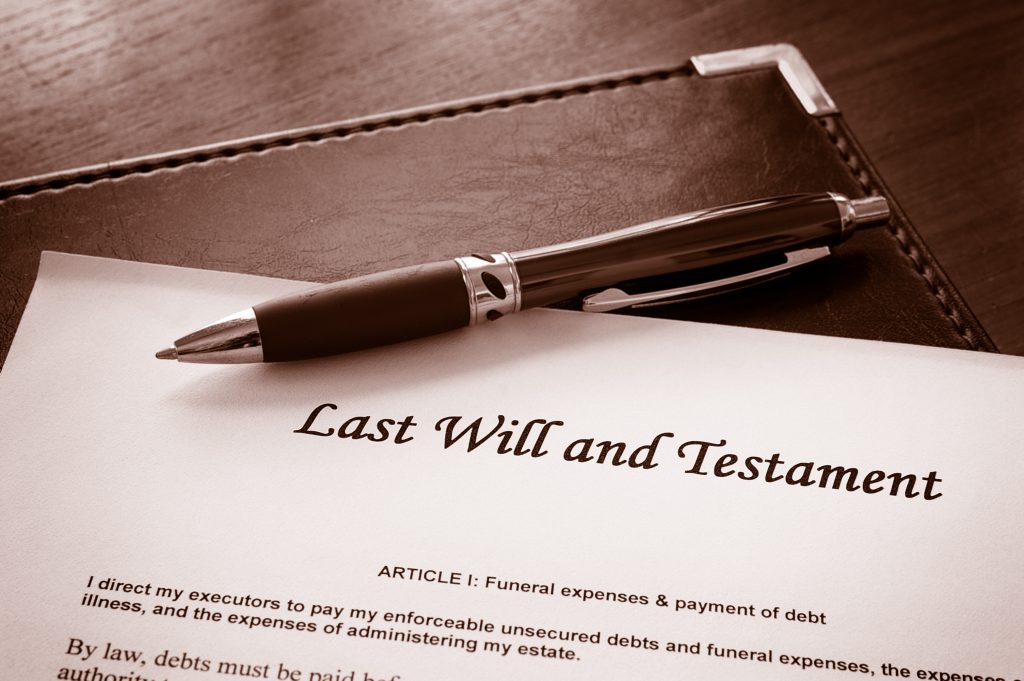
Losing a loved one often brings both emotional strain and legal responsibilities. If the person who passed away left a Last Will and Testament, that document must go through the probate process before assets can be distributed. During this process, you may begin to question whether the Will truly reflects the decedent’s intentions or whether something improper occurred when it was created. In California, you have the right to challenge a Will under certain circumstances, although doing so requires a clear legal basis and adherence to strict procedural rules. Moreover, contesting a Will is not simply about disagreement or disappointment and you must be prepared to assert valid legal grounds and support your claim with evidence. The Los Angeles attorneys at Schomer Estate & Wealth Advisors explain how understanding when and why Wills are contested in California can help you determine whether pursuing a challenge is appropriate in your situation.
Establishing Your Right to Challenge the Will
Before you can move forward with a Will contest, you must demonstrate that you have standing. This means you must show that the outcome of the case directly affects your financial or legal interests. California law limits who may bring a challenge to prevent unnecessary litigation. You may have standing if you are named as a beneficiary in the current Will, if you were included in a prior version of the Will, or if you would inherit under California’s intestacy laws if the Will is invalidated. Creditors of the estate may also have standing in certain circumstances. In practical terms, you must be able to show that you stand to benefit if the Will is set aside or that you will suffer a loss if it remains in effect. Without standing, the court will not consider your claim, regardless of how strongly you feel about the situation.
Initiating the Will Contest Process
Once you confirm that you have standing, you must file a formal petition with the probate court handling the estate. Timing plays a crucial role in this process because California imposes strict deadlines, and failing to act within the required timeframe can permanently bar your claim. In many cases, you must file your contest before the Will is admitted to probate or within a limited period after the court approves the Will.
After the petition is filed, all interested parties, including beneficiaries, heirs, and the Executor named in the Will, must be notified of the filing. The Executor has a legal duty to defend the validity of the Will and represent the estate’s interests throughout the proceedings.
The case then enters the discovery phase. During this stage, both sides gather evidence, request documents, and interview witnesses. This process helps clarify the facts and allows each party to assess the strength of the opposing arguments before the matter proceeds further.
Recognizing Valid Legal Grounds for a Will Contest
Under California law, personal dissatisfaction with how assets are distributed does not provide a sufficient basis for contesting a Will. Instead, you must demonstrate that a legal defect or improper conduct affected the validity of the document. California recognizes the following grounds on which you may pursue a Will contest:
- Lack of Testamentary Capacity: The Testator (creator of the Will) must have been mentally capable of understanding the nature of their actions at the time of execution. This includes recognizing the extent of their property, understanding their relationships with family members, and comprehending how the Will distributes their assets.
- Undue Influence: This occurs when someone exerts excessive pressure on the Testator, effectively overriding their free will. The result is a document that reflects the desires of the influencer rather than the true intentions of the Testator. These cases often involve caregivers, relatives, or individuals in positions of trust who stand to benefit significantly from the Will.
- Fraud or Forgery: Fraud may occur when the Testator is misled into signing a document under false pretenses or without understanding its contents. Forgery involves falsifying signatures or altering the document after it has been executed. Both scenarios undermine the integrity of the Will and can lead to its rejection by the court.
- Improper Execution: California law establishes specific formalities that must be followed when creating a valid Will. The document must be in writing, signed by the Testator, and witnessed by at least two individuals who understand they are witnessing a Will. Failure to meet these requirements can render the Will invalid.
- Revocation: If a newer Will exists, it may supersede an earlier version. In such cases, the court must determine which document controls the distribution of the estate.
What Happens During a California Will Contest?
After the initial filings, the case progresses through litigation. Both sides will collect evidence, which may include medical records, financial documents, and communications involving the Testator. Witness testimony often plays a significant role, particularly when questions arise about mental capacity or potential coercion.
Experts may also be involved. Medical professionals can provide opinions regarding the Testator’s cognitive condition, while handwriting experts may analyze signatures if forgery is alleged. This evidence helps the court evaluate the validity of the Will.
Many disputes are resolved before reaching trial. Negotiation and mediation provide opportunities for the parties to reach a mutually acceptable resolution without the expense and uncertainty of a courtroom decision. If no agreement is reached, the case proceeds to trial, where a judge will review the evidence and issue a ruling.
As the party challenging the Will, you carry the burden of proof. You must demonstrate, by a preponderance of the evidence, that the Will is invalid based on the grounds you assert. The Executor, in contrast, must defend the document and show that it complies with legal requirements.
If the court determines that the Will is invalid, it may admit a prior valid Will to probate. If no earlier document exists, the estate will be distributed according to California’s intestacy laws. In some situations, only a portion of the Will is invalidated, allowing the remaining provisions to stand.
The Role of No Contest Clauses
Some Wills include provisions, referred to as a “no-contest” clause, designed to discourage challenges. A no contest clause typically states that a beneficiary will forfeit their inheritance if they attempt to contest the Will and fail. This creates a financial risk that may deter potential challengers. In California, these clauses are enforceable, but a court will not apply the penalty if you bring a challenge with probable cause. This means that if you have a reasonable basis for your claim, you may proceed without risking your inheritance under the clause. This approach balances the desire to prevent frivolous litigation with the need to allow legitimate challenges. You must carefully evaluate your case before proceeding, particularly if a no contest clause is present.
Do You Have Questions about a California Will Contest?
For more information, please join us for an upcoming FREE seminar. If you have additional questions or concerns about a California Will contest, contact the experienced Los Angeles probate attorneys at Schomer Estate & Wealth Advisors by calling (310) 337-7696 to schedule an appointment.

- Pizza in the Attic: What Legacy Planning Actually Looks Like - August 23, 2026
- Can You Recommend a Good Probate Attorney in Los Angeles? - August 21, 2026
- The Estate Plan You Think You Have - August 20, 2026