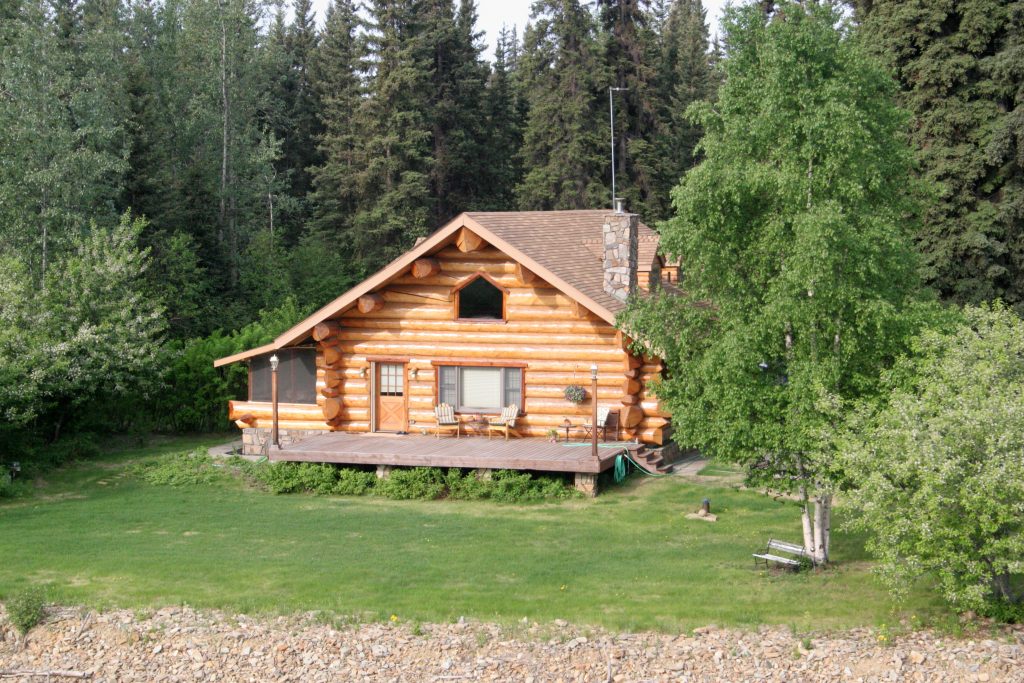
When creating your estate plan, you need to account for all the assets you own or in which you have an ownership interest. This includes your vacation home, whether it is in the same state, another state, or even another country. Failing to address that property in your estate plan can lead to ancillary probate, a costly and time-consuming process that you should try to avoid. Understanding how probate works and the complications that arise when property is located in another jurisdiction will help you take the necessary steps to protect your estate and ensure a smooth transfer of assets to your loved ones. With that in mind, the Los Angeles attorneys at Schomer Estate & Wealth Advisors discuss whether your California estate will require ancillary probate.
The Probate Process and Its Challenges
When you pass away, your estate consists of everything you own, including bank accounts, investments, personal belongings, and real estate. Before these assets can be transferred to your heirs or beneficiaries, they must go through probate, a legal process that ensures debts are paid, and property is distributed according to your Last Will and Testament or state intestacy laws if you did not leave a Will. The person you appoint as your Executor in your Will oversees this process, managing your estate’s affairs and handling legal requirements.
Although probate serves an important role, it can be burdensome for your Executor and beneficiaries. It often involves court filings, legal fees, and procedural delays, which can prolong the administration of your estate. Many people seek to minimize or avoid probate altogether because of the time and expenses involved. If your estate includes property in multiple states, probate can become even more complicated due to the possibility of ancillary probate.
How Your Vacation Home/Second Home Can Lead to Ancillary Probate
A well-prepared estate plan can help ensure your assets pass to beneficiaries with minimal probate involvement. If you own a vacation home in another state or country, however, and do not take steps to address it in your estate plan, ancillary probate may be required. Ancillary probate is a secondary probate proceeding that takes place in a different jurisdiction from where you legally reside at the time of your death. For example, if you are a resident of California but own a vacation home in Washington, your primary probate will be conducted in California, while a separate probate proceeding will be required in Washington for the vacation home. This happens because each state has its own probate laws and procedures, and property ownership is generally governed by the laws of the state where the real estate is located.
This additional probate process complicates estate administration for several reasons. First, your Executor must navigate legal requirements in multiple states, which may involve hiring an attorney in the second state to assist with probate. Each probate proceeding must be completed before property can be transferred, which can delay the final distribution of your estate. Additionally, both probate proceedings will incur separate court costs, legal fees, and other expenses, further diminishing the overall value of your estate.
Strategies to Avoid Ancillary Probate
The good news is that you can take steps to prevent ancillary probate by working with an experienced estate planning attorney to create a comprehensive plan. One of the most effective ways to avoid ancillary probate is to transfer ownership of your vacation home into a revocable living trust. A revocable living trust allows you to retain control of the property during your lifetime while ensuring a seamless transfer after your death. You serve as the Trustee of the trust while you are alive, meaning you continue to manage and use the property as you wish. Upon your death, a successor Trustee, someone you appoint in advance, takes over and distributes the property to the designated beneficiaries without the need for probate, including ancillary probate. This not only simplifies the administration of your estate but also ensures that your vacation home is passed on efficiently and without unnecessary legal complications.
Another possible strategy is joint ownership with rights of survivorship. If you own the property with a spouse, child, or another individual as joint tenants with rights of survivorship, ownership automatically transfers to the surviving owner upon your death. However, this approach may not be ideal for everyone, as it can create unintended consequences, such as exposing the property to the co-owner’s creditors or limiting your control over future decisions regarding the property.
Some individuals also explore transfer-on-death deeds, which allow real estate to pass directly to a named beneficiary upon death without probate; however, not all states permit transfer-on-death deeds, so you will need to determine if this option is available where your vacation home is located.
Do You Have Questions about Ancillary Probate for Your California Estate?
For more information, please join us for an upcoming FREE seminar. If you are concerned that your California estate will require ancillary probate, contact the experienced Los Angeles estate planning attorneys at Schomer Estate & Wealth Advisors by calling (310) 337-7696 to schedule an appointment.

- Pizza in the Attic: What Legacy Planning Actually Looks Like - August 23, 2026
- Can You Recommend a Good Probate Attorney in Los Angeles? - August 21, 2026
- The Estate Plan You Think You Have - August 20, 2026