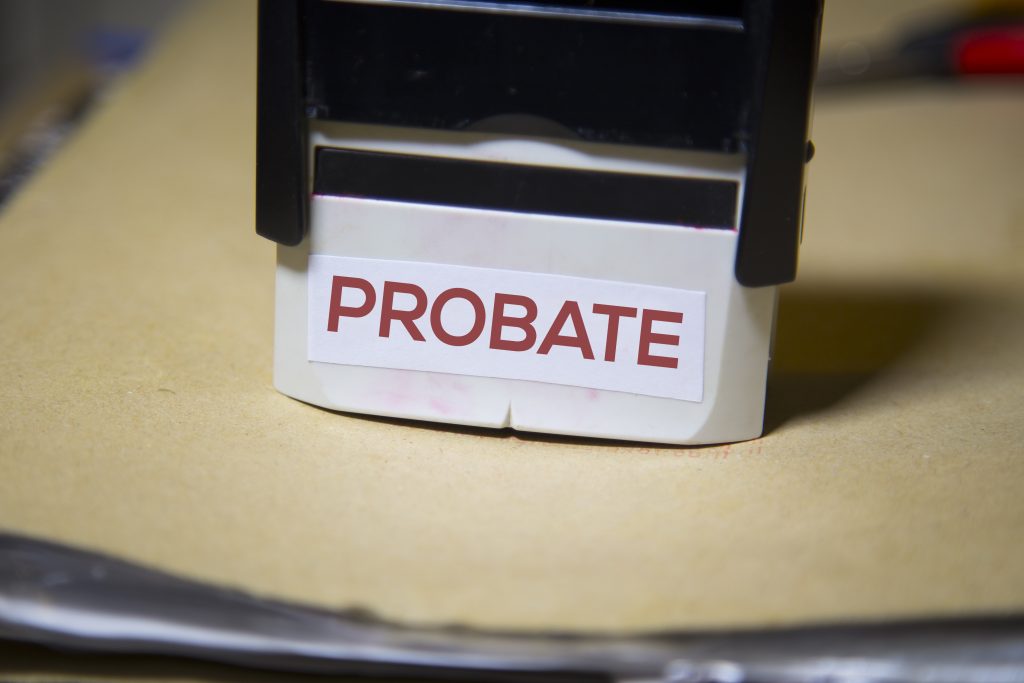
When you contemplate creating or updating your estate plan, you likely focus on how you want your estate assets distributed after you pass away. A comprehensive estate plan, however, can incorporate a variety of additional goals beyond simply dictating what happens to your assets following your death. A common addition to the average estate plan, for example, is probate avoidance. Toward that end, the Los Angeles attorneys at Schomer Estate & Wealth Advisors discuss common strategies for avoiding probate in California.
What Is Probate?
Probate is the legal process that is typically required after someone passes away. During probate, the decedent’s estate is inventoried, valued, and eventually distributed to beneficiaries and/or heirs. Probate also provides creditors of the estate the opportunity to file claims against the estate and allows an interested party to challenge the validity of the decedent’s Last Will and Testament (if one is submitted to the court). While probate serves several important functions, it can also be time-consuming, costly, and public which is why people often incorporate probate avoidance tools and strategies into their estate plans, such as:
- Relying on a Trust to Distribute Estate Assets. One of the most common – and effective — ways to avoid probate in California is by relying on a revocable living trust to distribute your estate assets. When you transfer assets into a living trust, they are no longer considered part of your probate estate. Instead, the trust owns the assets, but you can still manage them as the Trustee during your lifetime. Upon your death, the successor Trustee appointed by you takes over the management of the trust and distributes the assets to your beneficiaries according to the terms of the trust agreement. By avoiding probate, the trust assets are distributed quickly and privately to your loved ones.
- Joint Ownership with Right of Survivorship. Another way to bypass probate in California is by holding property as joint tenants with right of survivorship. When one joint tenant passes away, his or her interest in the property automatically passes to the remaining owner(s) without the need to go through probate.
- Use Payable-On-Death (POD) and Transfer-On-Death (TOD) Accounts. California allows certain financial accounts to pass directly to a designated beneficiary through Payable-on-Death (POD) or Transfer-on-Death (TOD) designations. These accounts include bank accounts, retirement accounts, and investment accounts. When you name a POD or TOD beneficiary, the account automatically transfers to that person upon your death, without going through probate. Unlike joint ownership, however, the beneficiary of a POD or TOD account has no legal ownership interest in the account while you are alive.
- Gifting Assets During Your Lifetime. Another strategy to reduce the value of your probate estate is by gifting assets during your lifetime. Utilizing the annual exclusion, you can gift up to $18,000 (as of 2024) in assets to an unlimited number of beneficiaries each year tax-free, meaning that the gifts do not count toward your lifetime exemption limit for federal gift and estate tax purposes. By gradually transferring assets to your heirs while you are alive, you decrease the size of your estate, thus reducing or eliminating the need for probate when you pass away.
- Relying on Small Estate Procedures. Like most states, California offers small estate procedures that can simplify the probate process for estates of relatively modest value. As of 2024, if the total value of the decedent’s estate is less than $184,500, the estate may qualify for simplified probate procedures, or in some cases, avoid probate altogether. By reducing the size and value of your estate while you are alive, you may be able to set up your estate to qualify for small estate probate, thereby avoiding the need for formal probate after you are gone.
Do You Have Additional Questions about Avoiding Probate in California?
For more information, please join us for an upcoming FREE seminar. If you have additional questions or concerns about avoiding probate in California, contact the experienced Los Angeles estate planning attorneys at Schomer Estate & Wealth Advisors by calling (310) 337-7696 to schedule an appointment.

- Pizza in the Attic: What Legacy Planning Actually Looks Like - August 23, 2026
- Can You Recommend a Good Probate Attorney in Los Angeles? - August 21, 2026
- The Estate Plan You Think You Have - August 20, 2026