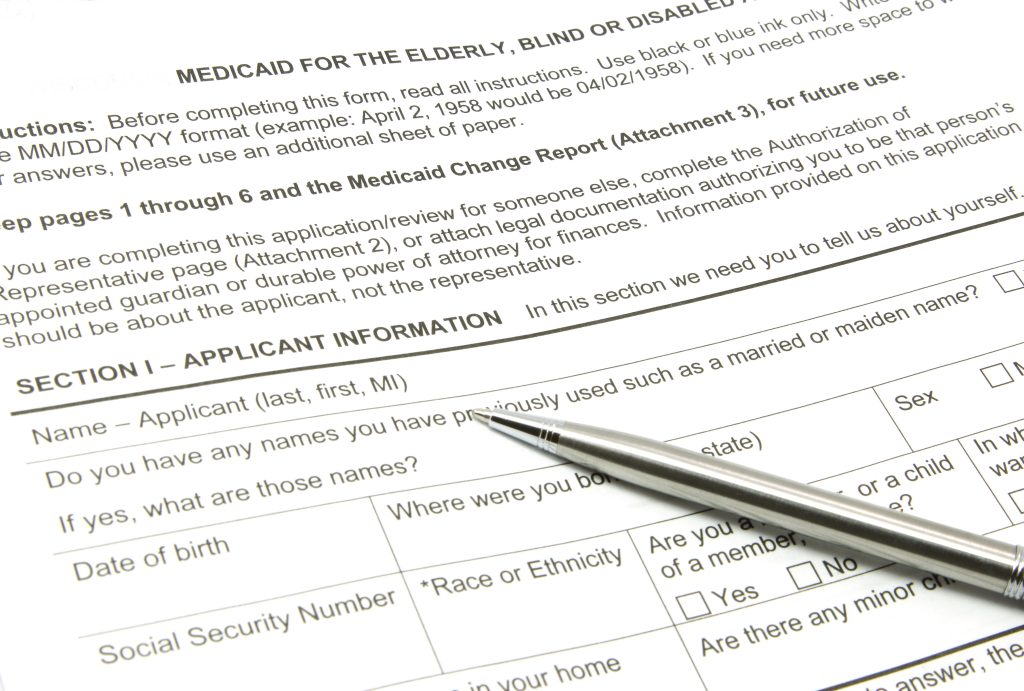
Medicaid, known in California as Medi-Cal, plays a central role in helping older adults afford long-term care. A significant portion of seniors eventually rely on Medi-Cal to cover nursing home costs or in-home support. Yet many misconceptions persist, leading to unnecessary worry and poor planning decisions. To help clear things up, the Los Angeles attorneys at Schomer Law Group, APC address several of the most common myths surrounding California Medi-Cal eligibility for seniors.
Myth 1: You Must Have No Money or Property to Qualify for Medi-Cal
A widespread misunderstanding suggests that only individuals with no income or assets can receive Medi-Cal benefits. The program does impose financial limits, but seniors do not need to be destitute to qualify. California offers several planning tools to help older adults maintain some of their resources while still meeting Medi-Cal’s requirements. These methods may include establishing a Medi-Cal Asset Protection Trust, spending excess funds on exempt items such as home repairs or medical equipment, or using financial products designed to comply with state rules. Proper planning allows seniors to secure care without forfeiting everything they own.
Myth 2: Medi-Cal Will Automatically Take Your House
Many older adults hesitate to apply for Medi-Cal because they fear losing their home. Medi-Cal does participate in estate recovery, which means the state can seek reimbursement after the recipient passes away. Yet this does not mean the home is taken when someone enrolls. A residence occupied by the applicant, the applicant’s spouse, or certain qualifying relatives is typically considered exempt. There are also strategies that may shield a home from recovery efforts, including transferring the property to a trust or to a caregiving child who satisfies specific requirements. Thoughtful planning can safeguard the family residence while still allowing the senior to receive necessary care.
Myth 3: Medi-Cal Pays for Every Type of Long-Term Care
Some believe that Medi-Cal covers all long-term care costs without limitation. While the program does pay for many essential services, it does not fund every possible form of care. Private rooms in skilled nursing facilities, certain types of therapies, and specific providers may not be covered. Medi-Cal only pays for services considered medically necessary, and some programs have waiting lists or eligibility standards of their own. Understanding what Medi-Cal does and does not pay for allows seniors and their families to plan more effectively and anticipate potential out-of-pocket expenses.
Myth 4: You Can Give Away Property to Qualify
Another common misconception is that you can simply gift money or property to family members when you are ready to apply. Medi-Cal imposes a five-year look-back period for long-term care benefits. Any asset transfer made for less than fair value during that period may trigger a penalty, which delays eligibility. The length of the penalty depends on the value of the transferred assets and the average cost of nursing home care in California. Poorly timed gifts can make it more difficult to qualify for benefits when care is urgently needed. Working with a knowledgeable Medi-Cal planning attorney is critical before making significant transfers.
Myth 5: Only Wealthy Families Need Medi-Cal Planning
Many assume that planning for Medi-Cal is necessary only for individuals with large estates. In reality, nearly every senior can benefit from advance planning. Long-term care in California is extraordinarily expensive, and even a middle-class household can deplete its savings quickly. Without preparation, a senior may be forced to spend down assets until very little remains. Medi-Cal planning helps preserve resources for a spouse, maintain financial security, and ensure that some assets can be passed on to future generations. Planning is equally important for families with modest estates, since they often have fewer reserves to cushion the cost of long-term care.
Do You Have Questions about Medi-Cal for Seniors in California?
For more information, please join us for an upcoming FREE seminar. If you have additional questions about Medi-Cal for seniors in California, contact the experienced Los Angeles Medicaid planning attorneys at Schomer Law Group APC by calling (310) 337-7696 to schedule an appointment.
- How a No Contest Clause Can Help Your California Estate Avoid Probate Litigation - August 17, 2026
- Reasons to Incorporate a Living Trust into My California Estate Plan - August 16, 2026
- What You Need to Know about Funding a Trust in California - August 15, 2026