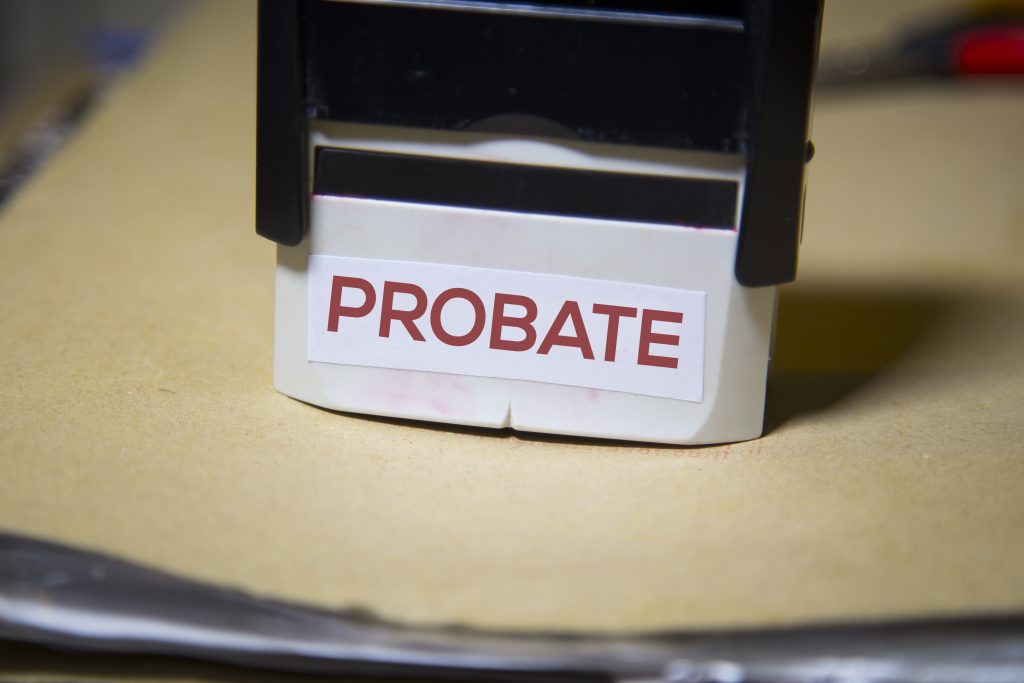
You have probably heard people talking about avoiding probate and the steps they have taken in their estate plans to accomplish this goal. All the while you are wondering what the big deal is with probate. Why is it so important to avoid probate? Why is everyone going to so much trouble to avoid probate? These are all valid – and common – questions. To help answer these questions, the Los Angeles attorneys at Schomer Estate & Wealth Advisors explain why avoiding probate in California should be one of your estate planning goals.
Probate Explained
To understand why people want to avoid probate, you need to understand what probate is and why it is often required. When an individual passes away, they typically leave behind an estate that is comprised of the assets owned by them at the time of death. Probate is the legal process that ensures those assets are inventoried and valued and that debts of the estate are paid before the remaining assets are legally transferred to the beneficiaries and/or heirs of the estate.
The Problems with Probate
Knowing that probate serves a legitimate and important purpose, why does everyone want to avoid probate? There are several common reasons people give for wanting to avoid probate. One is the time it can take an estate to get through formal probate. In California, creditors have four months from the date of publication to notify creditors that probate has been initiated to file claims against the estate. After allowing time to open probate and to review claims that have been submitted, it usually takes a minimum of six months to get to the end of the probate process. If the estate is complex, has valuable assets, or becomes involved in litigation, it can take years to conclude the probate of the estate. In the meantime, beneficiaries must wait for their inheritances, making the time it takes to get through probate one important reason to try and avoid probate.
Another motivating factor for avoiding probate is the cost of formal probate. Along with filing fees and court costs, formal probate often incurs significant expenses for attorney fees, accountant fees, appraisal fees, and other professional fees. There may also be expenses involved in maintaining assets while probate is ongoing. Cumulatively, these costs can significantly diminish the value of the estate that is ultimately passed down to loved ones.
Finally, probate is a public process, meaning anyone can learn the terms of your Last Will and Testament once it is submitted for probate. For many people, the public nature of probate is sufficient motivation to try and avoid the process.
Tips for Avoiding Probate
Regardless of your reason for wanting to avoid probate, you should proactively incorporate probate avoidance tools and strategies into your estate plan to achieve your goal, such as:
- Using a trust to pass down assets. Unlike assets gifted in your Will, trust assets do not have to go through probate. This allows assets to be distributed immediately following your death and keeps the details of those gifts private.
- Lifetime gifting. Instead of waiting until you are gone, gift assets while you are alive. Not only will you take advantage of tax benefits, but you can watch the beneficiaries enjoying your gifts.
- Convert assets to non-probate assets. Assets such as life insurance policy, retirement accounts, and funds held in a “payable on death” account are considered non-probate assets because they are not required to go through probate.
- Keep your estate under the small estate maximum. If the value of the estate you leave behind is less than the small estate affidavit limit ($184,500 as of 2023) in California, your estate can be probated using a much quicker and easier small estate affidavit process.
Do You Have Additional Questions about Avoiding Probate in California?
For more information, please join us for an upcoming FREE seminar. If you have additional questions about avoiding probate in California, contact the experienced Los Angeles probate attorneys at Schomer Estate & Wealth Advisors by calling (310) 337-7696 to schedule an appointment.

- Pizza in the Attic: What Legacy Planning Actually Looks Like - August 23, 2026
- Can You Recommend a Good Probate Attorney in Los Angeles? - August 21, 2026
- The Estate Plan You Think You Have - August 20, 2026