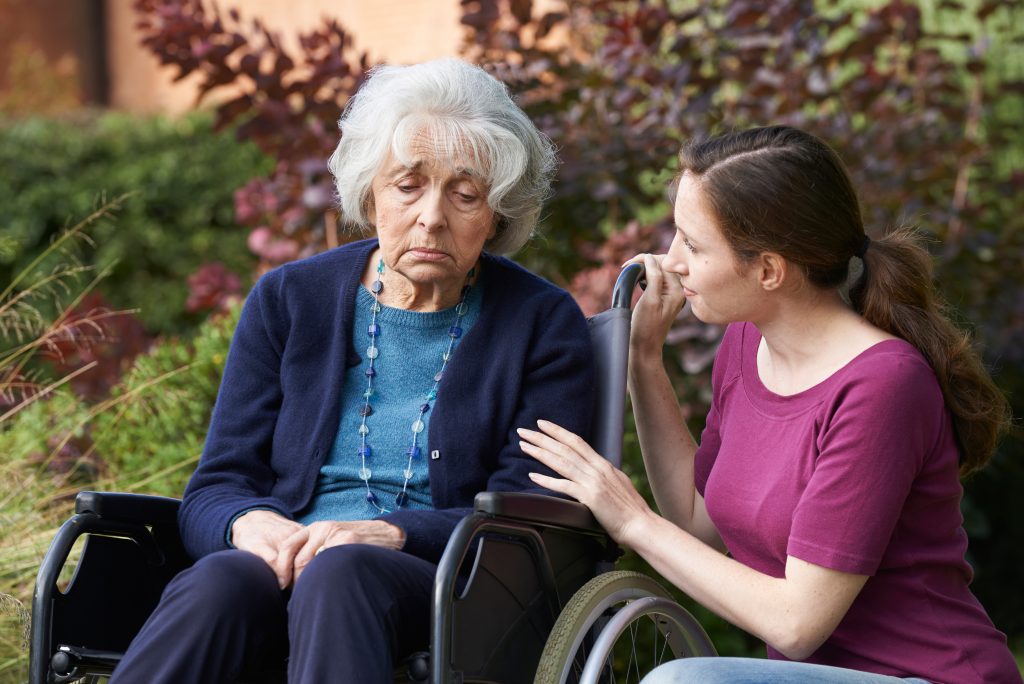
The population of older Americans has exploded in recent decades, leading to a corresponding increase in the prevalence of elder abuse and neglect. While you are likely aware that elder abuse occurs, you may not know how often it happens or what to do if you suspect that an elderly loved one is the victim of elder abuse or neglect. To help keep your loved ones safe, the Los Angeles attorneys at Schomer Estate & Wealth Advisors explain the trust about elder abuse in California and offer suggestions for what you can do if you suspect that a loved one is being abused or neglected.
The Burgeoning Elderly Population
The population of older Americans (age 65 and older) has increased dramatically in recent decades. In fact, the population of Americans aged 65 and over grew nearly five times faster than the total population over the 100 years from 1920 to 2020. As of the 2020 Census, there were 55.8 million “older” Americans, representing 16.8 percent of the total population of the U.S. While the fact that the Baby Boomer generation has now reached retirement age accounts for some of the increased population, the fact that Americans are living longer is the primary explanation. With the average life expectancy of an American now running over 80 years for females and close to 80 for males, the increase in the older population is here to stay. Sadly, that also means that the increase in instances of elder abuse and neglect may also be here to stay.
Elder Abuse by the Numbers
Statistics relating to elder abuse and neglect are truly shocking. According to the U.S. Department of Justice, one in 10 older Americans will experience some form of elder abuse or neglect each year. The D.O.J recognizes five type of elder abuse and neglect, including:
- Caregiver Neglect
- Financial Fraud & Exploitation
- Psychological Abuse
- Sexual Abuse
- Physical Abuse
Financial fraud and exploitation is the most prevalent type of elder abuse, followed closely by caregiver neglect. Underreporting of abuse and neglect is a huge problem when the victim is elderly. The D.O.J. estimates that for every one instance of neglect reported, 57 instances go unreported. Physical abuse of the elderly goes unreported 19 times for every one report that is made.
The reasons why elder abuse and neglect are not reported are complex; however, experts point to victims being ashamed or embarrassed to be vulnerable enough to be victimized as one reason. Another significant contributing factor to the underreporting of elder abuse is the fear of reprisals. Sadly, experts tell us that over half of the perpetrators of elder abuse are family members “caring” for the victim, with an adult child or spouse of an adult child being the most likely perpetrator. When an elderly victim is dependent on the perpetrator for daily assistance and/or financial assistance, a victim may understandably be too afraid to report the abuse or neglect.
What Can I Do about Elder Abuse in California?
If you suspect that an elderly loved one is being abused or neglected, it is better to act and be wrong than to hesitate and be right. Try talking to your loved one to confirm your suspicions. If that is impossible or proves unproductive, you can contact the California Adult Protective Services. They will conduct an investigation and take steps to remove the victim and/or address the problem if they find evidence of abuse and/or neglect. If your loved one is a resident at a nursing home or is receiving paid care by an agency, you may also wish to discuss your legal options with an experienced elder law attorney.
Do You Suspect Elder Abuse or Neglect?
For more information, please join us for an upcoming FREE seminar. If you suspect that an elderly loved one is the victim of elder abuse or neglect in California, contact the experienced Los Angeles elder law attorneys at Schomer Estate & Wealth Advisors by calling (310) 337-7696 to schedule an appointment.
- Pizza in the Attic: What Legacy Planning Actually Looks Like - August 23, 2026
- Can You Recommend a Good Probate Attorney in Los Angeles? - August 21, 2026
- The Estate Plan You Think You Have - August 20, 2026